

6 min read
Cable sizing is often reduced to current alone. In fact the correct size is the largest result of three criteria: current-carrying capacity, permitted voltage drop and short-circuit withstand. On long runs the deciding factor is usually voltage drop, not current.
1. Current capacity and derating factors
Catalogue ratings assume a reference condition. On site, ambient temperature, installation method (trunking, conduit, buried), the number of cables grouped together and thermal insulation all reduce that figure. Six cables side by side in a tray each carry noticeably less than a single cable installed on its own.
2. Voltage drop
In practice a limit of around 3% for lighting and 5% for power circuits is accepted. On long conveyor runs, field panels and outdoor lighting the size is usually driven by this criterion. On motor circuits, voltage drop also shows up as lost torque during starting.
3. Short-circuit withstand
The cable must withstand the prospective short-circuit current until the upstream device clears the fault. The device's clearing time and breaking capacity are assessed together with the conductor size. On main feeders with high prospective fault current, this criterion can drive the size.
Frequently missed points
- The motor cable on a drive output should be screened, with the screen earthed at both ends; otherwise EMC problems begin.
- Halogen-free (LSZH) cable may be a specification requirement on escape routes and enclosed areas.
- If the lug and crimping tool do not match the conductor size, contact resistance causes heating.
- Spare capacity: a size chosen for today's load may not carry the addition planned two years from now.
Frequently asked questions
What is the difference between NYY and NYAF?
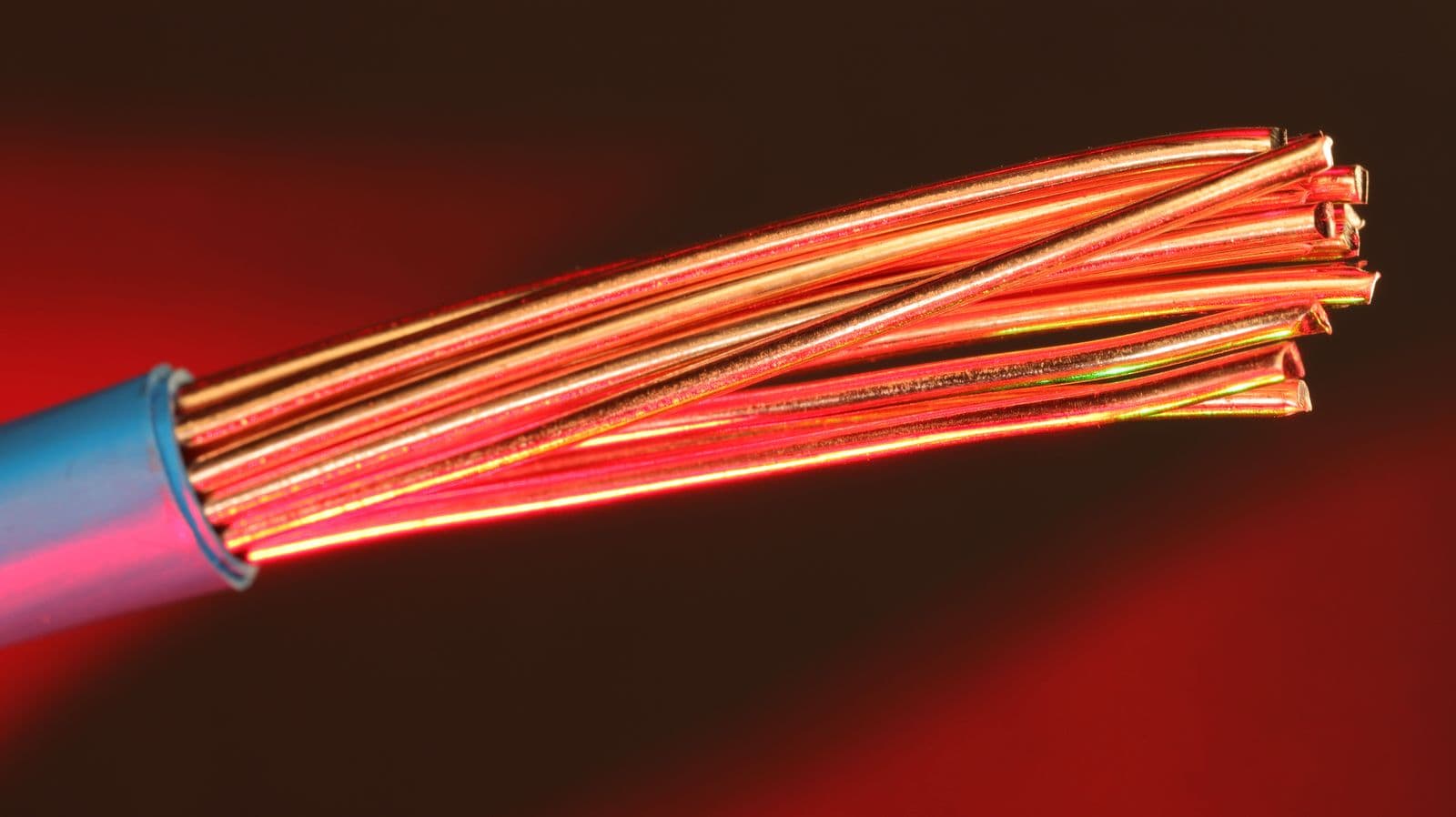
NYY is a power cable with stranded rigid copper conductors for fixed installations. NYAF is a flexible conductor made of very fine strands, preferred for in-panel wiring. NYAF is common inside panels, NYY along field routes.
Why should a motor cable be screened?
The fast voltage transitions at a drive output make the cable behave like an antenna. The screen contains this interference, preventing noise on sensor and communication lines as well as nuisance RCD tripping.
Is jointing a cable acceptable?
Avoid it where possible. Where unavoidable, use a proper junction box or resin joint kit and keep the joint accessible. Buried, inaccessible joints greatly lengthen fault-finding.
Can aluminium cable be used?
It offers a cost advantage on large main feeders. Bimetal lugs must be used at terminations and the tightening torque respected: direct aluminium-to-copper contact causes corrosion.